

What if you could unlock your full potential and take control of your biology? As a biohacker, you can make intentional changes to your lifestyle, environment, and body to enhance physical and mental performance. Biohacking is a revolutionary approach to health and wellness that involves DIY biology techniques to optimize your body’s functions. With the right strategies, you can improve your energy levels, enhance your cognitive function, and increase your overall wellbeing.
As a biohacker, you can capitalize on resources available to you, such as wearable devices, nutrition planning, and stress management practices, to achieve desired health outcomes. By incorporating daily gratitude practices, eliminating refined sugar and processed foods, and getting 7-9 hours of sleep per night, you can significantly impact your overall health and energy levels. But what does it take to become a successful biohacker and achieve optimal health and wellbeing?
Key Takeaways
- Biohacking involves making intentional changes to your lifestyle, environment, and body to enhance physical and mental performance.
- Getting 7-9 hours of sleep per night is essential for optimal recovery and cognitive function.
- Eliminating refined sugar and processed foods can significantly impact overall health and energy levels.
- Incorporating daily gratitude practices can improve mental wellbeing and foster a positive mindset.
- High performers capitalize on resources available to them, suggesting a potential correlation between resource utilization and enhanced performance.
- Biohacking is a growing market, projected to reach around $20 billion in value by 2026, with around 70% of biohackers incorporating personalized nutrition into their lifestyle.
- Genetic predispositions play a significant role in dietary response, with studies showing that specific genetic markers can influence how individuals metabolize fats and carbohydrates.
What is Biohacking?
Biohacking is a multifaceted approach to enhancing human potential through a combination of biology, technology, and lifestyle modifications. It involves self-experimentation with various techniques to optimize physical and mental function. The concept of biohacking has its roots in the DIY biology movement and the quantified self-movement, where individuals use technology to collect data on various aspects of their daily lives. This approach is closely related to transhumanism, which aims to transform the human condition by developing and creating enhancement technologies.
Definition of Biohacking
Biohacking refers to the practice of using science and technology to improve human performance and wellbeing. It encompasses a broad range of practices, including nutritional biohacking, fitness biohacking, and cognitive enhancement biohacking.
Historical Context
The concept of biohacking has evolved over time, influenced by various movements and technological advancements. Today, biohacking is a recognized approach to health optimization, with many individuals using enhancement technologies to track and improve their physical and mental health.
Different Types of Biohacking
There are several types of biohacking, including:
* Nutritional biohacking: focuses on optimizing diet and nutrition to improve health and wellbeing.
* Fitness biohacking: involves using technology and science to enhance physical performance and recovery.
* Cognitive enhancement biohacking: aims to improve mental function and productivity through various techniques and enhancement technologies.
Biohacking refers to the practice of using science and technology to improve human performance and wellbeing. It encompasses a broad range of practices, including nutritional biohacking, fitness biohacking, and cognitive enhancement biohacking.
Historical Context
The concept of biohacking has evolved over time, influenced by various movements and technological advancements. Today, biohacking is a recognized approach to health optimization, with many individuals using enhancement technologies to track and improve their physical and mental health.
Different Types of Biohacking
There are several types of biohacking, including:
* Nutritional biohacking: focuses on optimizing diet and nutrition to improve health and wellbeing.
* Fitness biohacking: involves using technology and science to enhance physical performance and recovery.
* Cognitive enhancement biohacking: aims to improve mental function and productivity through various techniques and enhancement technologies.
There are several types of biohacking, including:
* Nutritional biohacking: focuses on optimizing diet and nutrition to improve health and wellbeing.
* Fitness biohacking: involves using technology and science to enhance physical performance and recovery.
* Cognitive enhancement biohacking: aims to improve mental function and productivity through various techniques and enhancement technologies.
In conclusion, biohacking is a dynamic and multifaceted field that offers various approaches to enhancing human potential. By leveraging self-experimentation and enhancement technologies, individuals can take control of their health and wellbeing, and optimize their physical and mental function.
The Science Behind Biohacking
Biohacking involves making targeted, science-based interventions to optimize various aspects of the body and mind. This practice is based on a deep understanding of how the body functions and how it responds to different interventions. By leveraging advances in biotechnology, individuals can take control of their biology and make intentional changes to improve their health and wellbeing.
Understanding the role of genes and epigenetics is crucial in biohacking. Genetic engineering and other techniques can be used to enhance cognitive performance and overall health. Some key areas of focus in biohacking include:
- Dietary modifications to enhance health and wellbeing
- Energy biohacking, including practices like sleep support
- Neurofeedback and cognitive enhancement through brain biohacking strategies
By applying scientific principles and techniques, individuals can optimize their physical and mental performance, leading to improved overall health and wellbeing. As the field of biohacking continues to evolve, it is likely that we will see new and innovative applications of biotechnology and genetic engineering to enhance human performance and quality of life.
Popular Biohacking Techniques
Biohacking involves a range of techniques, from simple lifestyle changes to advanced interventions. By incorporating self-experimentation into your daily routine, you can take the first steps towards optimizing your biology and unlocking your full potential. Some simple ways to start biohacking include eliminating refined sugar and processed foods, changing your inner dialog to a healthier one, and intentionally moving for 30 minutes every day.
Popular biohacking techniques include:
- Nutritional interventions, such as intermittent fasting and keto diets
- Sleep optimization, using wearable devices to track sleep patterns
- Mindfulness and meditation practices, such as mindfulness meditation and yoga
These techniques can help improve energy levels, enhance cognitive function, and increase overall wellbeing.
By embracingDIY biologyandbiohacking, individuals can take control of their health and make informed decisions about their wellbeing.
The Role of Nutrition in Biohacking
Nutrition plays a critical role in biohacking, as it provides the fuel for our bodies to function optimally. By leveraging enhancement technologies and biotechnology, individuals can optimize their nutrition to improve their health and wellbeing. A key aspect of nutrition biohacking is the use of strategic dietary strategies, such as intermittent fasting and keto diets, to promote longevity and overall health.
Some key nutrients and supplements that are commonly used in biohacking include omega-3 fatty acids, vitamin D, and probiotics. These nutrients can help to improve energy levels, enhance cognitive function, and support overall health. For example, omega-3 fatty acids have been shown to have positive effects on heart health and cognitive performance. To learn more about the role of nutrition in biohacking, visit biohacking supplements blog for informative articles and resources.
When it comes to nutrition biohacking, there are several strategies that individuals can use to optimize their diet. Some of these strategies include:
- Intermittent fasting, which involves restricting calorie intake for certain periods of time
- Keto diets, which involve reducing carbohydrate intake to promote ketosis
- Supplementation, which involves adding key nutrients to the diet to support overall health
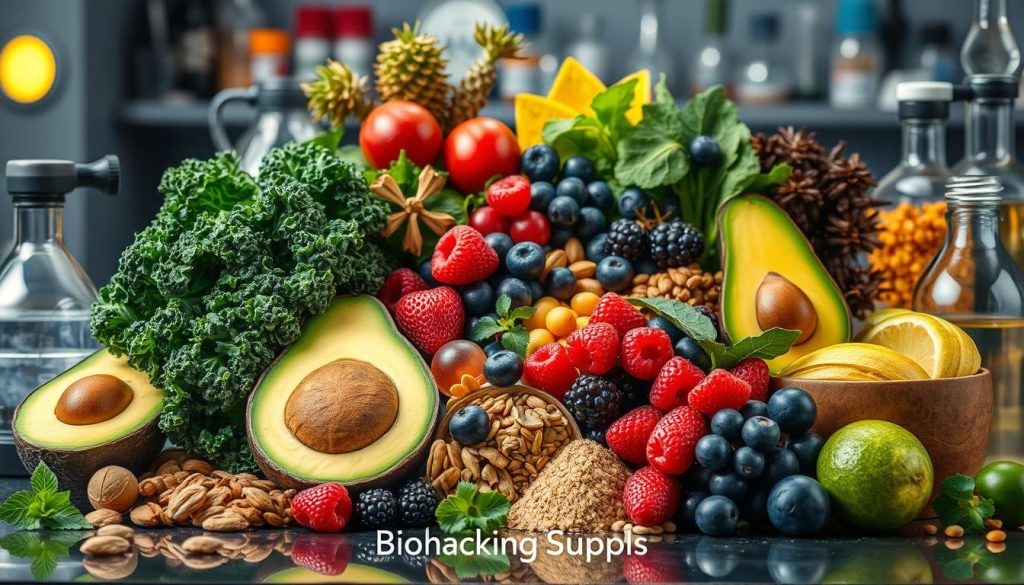
By using these strategies and leveraging the latest enhancement technologies and biotechnology, individuals can take control of their health and wellbeing, and promote longevity through optimal nutrition.
| Nutrient | Recommended Daily Intake | Benefits |
|---|---|---|
| Omega-3 fatty acids | 250-1000 mg | Heart health, cognitive performance |
| Vitamin D | 600-800 IU | Bone health, immune function |
| Probiotics | 1-10 billion CFU | Gut health, immune function |
Understanding Quantified Self
Quantified self, a concept closely related to biohacking, involves using technology to track and analyze data about one’s body and behavior. This practice has gained significant attention in recent years, with many individuals embracing wearable devices and mobile apps to monitor their health metrics. By leveraging data from these sources, individuals can gain valuable insights into their biology and behavior, enabling them to make informed decisions about their health and wellbeing.
According to experts like Bob Troia, who has spent nearly two decades in the digital innovation space focusing on self-quantification and biohacking, tracking various health metrics is crucial for personal health optimization. This can include monitoring blood glucose levels, heart rate variability, and other key indicators. The use of wearable technology, such as fitness trackers and smartwatches, has made it easier for individuals to collect and analyze this data, facilitating a more nuanced understanding of their bodies and behaviors.
The intersection of quantified self and biohacking is particularly noteworthy, as it highlights the potential for individuals to take a more proactive role in their health and wellbeing. By embracing DIY biology and transhumanism, individuals can push the boundaries of human potential, leveraging technology and data to optimize their performance and enhance their lives. For instance, the biohacking community has given rise to a wide range of innovative products and services, from personalized nutrition plans to advanced brain-computer interfaces.
As the quantified self movement continues to evolve, it is likely that we will see even more sophisticated tools and technologies emerge, enabling individuals to track and analyze their data with greater precision and accuracy. This, in turn, will likely drive further innovation in the biohacking space, as individuals seek to leverage their data to optimize their health, wellbeing, and performance. By embracing this intersection of quantified self and biohacking, individuals can unlock new possibilities for human enhancement and optimization, ultimately leading to a more empowered and self-aware approach to health and wellbeing.
Mental Health and Biohacking
Biohacking is not just about physical health; it also plays a significant role in mental wellbeing. By incorporating techniques such as mindfulness and meditation, individuals can improve their cognitive performance and reduce stress. The use of biotechnology and genetic engineering can also provide valuable insights into mental health, enabling individuals to make informed decisions about their wellbeing.
Some techniques for enhanced cognitive function include:
- Cognitive training
- Neurofeedback
- Brain stimulation
These techniques can help improve focus, concentration, and mental clarity, leading to better overall mental health.
Stress reduction is also a critical aspect of mental health, and biohacking can provide effective strategies for managing stress. By combining techniques such as meditation, yoga, and deep breathing exercises, individuals can reduce their stress levels and improve their overall wellbeing. The use of biotechnology and genetic engineering can also provide new insights into stress reduction, enabling individuals to develop personalized strategies for managing stress.
| Technique | Benefits |
|---|---|
| Cognitive training | Improved focus and concentration |
| Neurofeedback | Enhanced mental clarity and calmness |
| Brain stimulation | Improved mood and reduced stress |
Biohacking for Physical Performance
Biohacking is not just about optimizing mental health and wellbeing; it also encompasses techniques to enhance physical performance. Through self-experimentation and the application of DIY biology principles, individuals can tailor their approach to improve strength, endurance, and recovery. By leveraging the latest scientific discoveries and proven training methods, biohacking combines the best of both worlds to help individuals achieve their physical goals.
Some key techniques used in biohacking for physical performance include high-intensity interval training, strength training, and recovery techniques such as compression therapy and cold exposure. These methods can help reduce muscle soreness and improve recovery, allowing individuals to train more effectively and achieve better results. Additionally, biohacking often involves the use of various tools and supplements, such as electrical muscle stimulation devices and nutrigenomic supplements, to further enhance physical performance.
By incorporating these techniques into their training routine, individuals can take their physical performance to the next level and achieve their goals. Whether it’s improving endurance, increasing strength, or enhancing recovery, biohacking offers a range of strategies and tools to help individuals optimize their physical health and wellbeing. Through careful experimentation and application of biohacking principles, individuals can unlock their full potential and achieve greater success in their physical pursuits.
Safety Considerations in Biohacking
As the field of biohacking continues to evolve, it’s essential to acknowledge the potential risks associated with DIY biohacking techniques and interventions. The use of enhancement technologies and biotechnology can be beneficial, but it’s crucial to approach these methods with caution. According to a 2017 report from the Brookings Institute, non-traditional biohacking practices can pose significant safety concerns.
A responsible approach to biohacking involves understanding the potential risks and taking steps to mitigate them. This can include working with a healthcare professional or a certified biohacker to develop a personalized biohacking plan. By prioritizing longevity and overall well-being, individuals can ensure a safe and effective biohacking journey. For more information on biohacking supplements, visit biohacking supplements.
Some key considerations for safe biohacking include:
- Consulting with healthcare professionals before starting any new supplements or interventions
- Conducting thorough research on the potential risks and benefits of different biohacking methods
- Monitoring progress and adjusting the biohacking plan as needed

By being aware of the potential risks and taking a responsible approach to biohacking, individuals can harness the benefits of enhancement technologies and biotechnology to improve their overall health and longevity.
The Future of Biohacking
As we look to the future of biohacking, it’s clear that this field will continue to evolve and expand, with new trends and innovations emerging all the time. The global biohacking market is projected to grow from $12.22 billion in 2021 to $45.52 billion by 2027, at a CAGR of approximately 25%. This growth is driven in part by the increasing popularity of DIY biology and the use of wearable technology for health monitoring and data collection.
A survey indicated that over 40% of self-identified biohackers regularly use wearable technology for health monitoring and data collection. Additionally, approximately 50% of biohackers reported experimenting with nootropics to enhance cognitive functions, with a significant portion reporting improvements in focus and memory. The use of transhumanism principles, such as the integration of technology and biology, is also becoming more prevalent in the biohacking community.
Some potential trends to watch in the future of biohacking include the use of artificial intelligence and machine learning to analyze health data and provide personalized recommendations. For more information on the latest trends and innovations in biohacking, visit biohacking supplements and deals. The future of biohacking is exciting, and as it continues to evolve, we can expect to see new and innovative techniques and strategies emerge, allowing biohackers to optimize their health and wellbeing like never before.
Key areas of focus for the future of biohacking include:
- Personalized medicine and genetic editing
- Brain-computer interfaces and neurotechnology
- Artificial intelligence and machine learning in healthcare
These areas have the potential to revolutionize the field of biohacking and provide new opportunities for individuals to take control of their health and wellbeing.
Getting Started with Biohacking
Embarking on your biohacking journey can be an exciting and empowering experience. The first step is to set clear goals that align with your unique health and wellness aspirations. Whether it’s boosting your energy levels, optimizing cognitive performance, or enhancing your overall well-being, personalizing your biohacking plan is key.
Alongside your goals, explore the vast array of biohacking resources and supportive communities available. Online forums, social media groups, and even working with a certified biohacking professional can provide valuable insights and guidance as you navigate this transformative path. Remember, biohacking is not a one-size-fits-all approach – it’s about discovering what works best for your body and lifestyle.
As you embark on your biohacking journey, embrace the spirit of self-experimentation and a growth mindset. Be open to trying new techniques, tracking your progress, and making adjustments along the way. With dedication and a willingness to learn, you can unlock the full potential of biohacking and achieve remarkable improvements in your health and well-being.
