
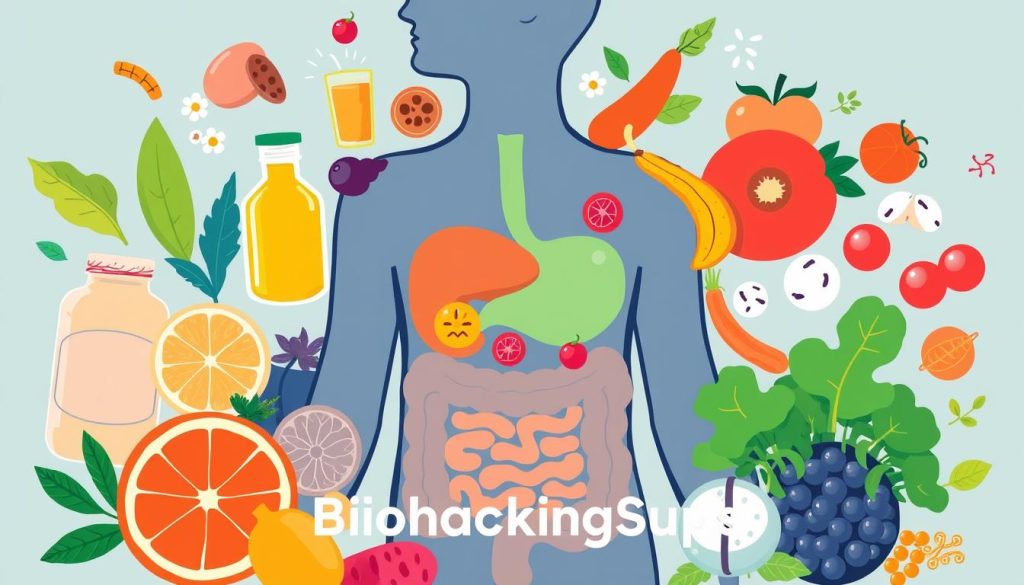
What if the key to overall health lies in the tiny creatures living inside you? Each person has about 200 different species of bacteria, viruses, and fungi in their digestive tract, and research indicates that a large variety of bacteria in the gut may help reduce the risk of diabetes, inflammatory bowel disease (IBD), and psoriatic arthritis. A healthy gut contains a wide variety of bacteria, and having a diverse range of “good” bacteria is the cornerstone of a healthy gut. To learn more about improving your gut health, visit gut health resources for valuable insights.
Gut Health and Microbiome Boosters, including probiotics and prebiotics, play a crucial role in maintaining a healthy gut microbiome. Probiotics are live bacteria that positively impact gut health, with sources including fermented foods such as yogurt, sauerkraut, kimchi, and kefir. Prebiotics, on the other hand, serve as food for probiotics, with advice suggesting at least five servings of these foods daily. For more information on supplements, you can check out supplement options that support gut health.
Key Takeaways
- A healthy gut microbiome is essential for overall health, and it can be achieved by consuming probiotics, prebiotics, and a balanced diet.
- A diet high in processed foods and sugars can decrease “good” bacteria in the gut and lead to increased body inflammation.
- Staying hydrated is linked to increased diversity of gut bacteria, and a high-fiber diet impacts gut health positively.
- Fermented foods like kimchi, sauerkraut, yogurt, and kefir may improve the gut microbiome by providing probiotics.
- Individual gut microbiomes are influenced by diet, environment, antibiotic use, stress, sleep, and genetics, resulting in unique compositions.
What is Gut Health and Why It Matters?
Gut health refers to the balance of gut bacteria and other microorganisms in the digestive system, which plays a crucial role in maintaining digestive health. A healthy gut microbiome is essential for proper nutrient absorption, immune function, and overall well-being. Research has shown that an imbalance of gut flora can lead to various health issues, including inflammatory bowel disease, irritable bowel syndrome, and mental health disorders.
A healthy gut microbiome is influenced by various factors, including diet, environment, and lifestyle. A balanced diet rich in fiber, fruits, and vegetables can help support the growth of beneficial gut bacteria. On the other hand, a diet high in processed foods and sugar can disrupt the balance of gut flora, leading to digestive issues and other health problems.
Some common symptoms of poor gut health include bloating, abdominal pain, and changes in bowel habits. If you are experiencing any of these symptoms, it is essential to consult with a healthcare professional to determine the underlying cause and develop a plan to restore digestive health. By maintaining a healthy balance of gut bacteria and gut flora, you can support your overall well-being and reduce the risk of various health issues.
Understanding the Microbiome’s Role
The human microbiome is composed of trillions of microorganisms, including gut bacteria, that play a vital role in maintaining digestive health. The microbiome is influenced by various factors, including diet, environment, and lifestyle, and an imbalance of gut flora can lead to various health issues.
The Connection Between Gut Health and Overall Well-Being
Research has shown that there is a strong connection between gut health and overall well-being. A healthy gut microbiome is essential for proper nutrient absorption, immune function, and mental health. By maintaining a healthy balance of gut bacteria and gut flora, you can support your overall health and reduce the risk of various health issues.
Key Factors Influencing Gut Health
When it comes to maintaining a healthy gut, several factors come into play. A person’s diet, stress levels, and exercise routine can all impact the balance of their gut microbiota. A diet high in processed foods and added sugars can decrease the amount of “good” bacteria and diversity in the gut, while a balanced diet rich in fruits, vegetables, and whole grains can support the growth of beneficial microbiota.
Exercise also plays a crucial role in maintaining gut health. Regular physical activity can increase the production of short-chain fatty acids, which are produced during the fermentation of indigestible fibers and are linked to potential prevention of chronic diseases. Additionally, stress can have a negative impact on gut health, as it can alter the balance of the gut microbiota and lead to issues such as irritable bowel syndrome.
Incorporating gut health supplements into one’s diet can also be beneficial. These supplements can help support the growth of beneficial microbiota and promote a healthy gut. By making informed choices about diet, exercise, and stress management, individuals can take steps to support their gut health and overall well-being.
Foods That Promote a Healthy Microbiome
A healthy gut health diet includes a variety of foods rich in probiotics and prebiotics. Probiotics are live bacteria that help maintain a healthy gut microbiome, while prebiotics are non-digestible fibers that feed the good bacteria, promoting their growth. Foods such as sauerkraut, kimchi, and live yoghurt are rich in probiotics, while asparagus, bananas, and onions are good sources of prebiotics.
Some foods, like garlic and ginger, have prebiotic properties and can help support the growth of beneficial bacteria in the gut. A gut health diet that includes these foods can help promote a healthy balance of bacteria in the gut, which is essential for overall health and well-being. For more information on gut health and nutrition, visit gut health and nutrition blog.
Other foods that can help promote a healthy microbiome include fermented foods like miso and kombucha, which contain beneficial bacteria and can help support gut health. A balanced gut health diet that includes a variety of these foods can help support the growth of beneficial bacteria and promote overall health and well-being. Some examples of foods that promote a healthy microbiome include:
- Leafy greens like spinach and kale
- Fiber-rich foods like avocados and whole grains
- Fermented foods like sauerkraut and kimchi
- Live yoghurt and other probiotic-rich foods
By incorporating these foods into a gut health diet, individuals can help promote a healthy balance of bacteria in the gut and support overall health and well-being. Prebiotics and probiotics are essential components of a healthy gut health diet, and can be found in a variety of foods.
The Importance of Hydration
Proper hydration is essential for maintaining digestive health and supporting the growth of beneficial gut flora. Drinking plenty of water helps to prevent constipation and bloating, reducing the risk of inflammation in the gut. According to research, hydration plays a crucial role in promoting a healthy balance of gut bacteria, which is vital for overall well-being.
Adequate fluid intake can be achieved through a combination of water and foods with high water content, such as watermelon, strawberries, and spinach. These foods can contribute to increasing overall fluid intake, making it easier to stay hydrated. Additionally, staying hydrated can help prevent “leaky gut,” reducing the permeability of intestinal walls and preventing the absorption of harmful substances.

- Preventing constipation and bloating
- Reducing the risk of inflammation in the gut
- Supporting the growth of beneficial gut flora
- Preventing “leaky gut” and reducing intestinal permeability
By prioritizing hydration and maintaining a healthy balance of gut flora, individuals can support their overall digestive health and reduce the risk of various health issues. As research continues to highlight the importance of hydration, it is essential to make it a priority in our daily lives.
Supplements for Gut Health
With the growing awareness of the importance of gut health, the demand for gut health supplements has increased significantly. Approximately 70 million people in the U.S. suffer from digestive diseases, highlighting the need for effective supplements. Probiotics, in particular, have been shown to improve gut health for about 60% of individuals dealing with digestive discomfort.
The global probiotics market is projected to reach $75 billion by 2028, indicating a robust growth trend in gut health supplements. Consumers are becoming more aware of the benefits of probiotics and prebiotics, with 74% believing that gut health supplements are essential for overall wellness. Some popular probiotics and their benefits include:
- Lactobacillus strains, which can improve intestinal health by protecting the lining of the intestines and increasing healthy bacteria
- Bifidobacterium, which has been found to improve symptoms of irritable bowel syndrome and may boost immunity
In addition to probiotics, prebiotic supplements can also support gut health. Prebiotics are non-digestible fibers that help feed the good bacteria in the gut, promoting a healthy gut microbiota. Some examples of prebiotic supplements include inulin and psyllium.
When choosing gut health supplements, it’s essential to consider the quality and effectiveness of the product. Look for supplements that are backed by scientific research and have positive reviews from consumers. By incorporating gut health supplements into your daily routine, you can support a healthy gut microbiota and overall well-being.
The Role of Fiber in Gut Health
A high-fiber diet is essential for maintaining a healthy gut microbiome. Fiber helps promote the growth of beneficial bacteria in the gut, which is crucial for a strong immune system. A gut health diet that includes probiotics and prebiotics can enhance the population of beneficial bacteria in the intestinal lumen.
Research indicates that dietary fiber intake is associated with improved colon function and gut motility. Increased fiber intake can also reduce the risk of colorectal cancer. To increase fiber intake, individuals can consume more fruits, vegetables, and whole grains, which are rich in dietary fiber.
Types of Fiber and Their Effects
There are two main types of fiber: soluble and insoluble. Soluble fiber dissolves in water and can help lower cholesterol levels, while insoluble fiber does not dissolve in water and can help promote regular bowel movements. A balanced gut health diet that includes both types of fiber can help maintain a healthy gut microbiome.
How to Increase Fiber Intake
To increase fiber intake, individuals can try the following:
- Eat more fruits and vegetables
- Include whole grains in their diet
- Consume legumes, such as beans and lentils
- Try fiber-rich snacks, such as nuts and seeds
By incorporating more fiber into their diet, individuals can help promote a healthy gut microbiome and support overall health and well-being. A gut health diet that includes probiotics and a high-fiber intake can help maintain a strong immune system and reduce the risk of chronic diseases.
Lifestyle Changes for a Healthier Gut
Improving gut health requires a holistic approach that incorporates lifestyle changes, including sleep and stress reduction techniques. Aiming for 7-8 hours of sleep per night can help regulate the gut microbiome, while stress reduction techniques like meditation and yoga can also have a positive impact on gut flora.
Regular exercise is also essential for maintaining a healthy gut. Exercise and a balanced diet can help support the growth of beneficial gut bacteria, while a diet rich in fiber and phytonutrients can provide the necessary nutrients for optimal gut health. Some tips for promoting a healthy gut include:
- Eating a diverse diet that includes a variety of fruits, vegetables, and whole grains
- Incorporating fermented foods, such as yogurt and kimchi, into your diet
- Staying hydrated by drinking plenty of water
By making these lifestyle changes and incorporating gut-friendly foods into your diet, you can help support the health of your gut flora and overall gut health. Remember to also manage stress and get enough sleep to help regulate your gut microbiome.
Recognizing Signs of Poor Gut Health
Poor gut health can manifest in various ways, affecting not only digestive health but also overall well-being. It is essential to recognize the signs of poor gut health to take proactive steps towards maintaining a balanced gut microbiome.
Some common symptoms of poor gut health include fatigue, upset stomach, skin conditions, and autoimmune challenges. These symptoms can be indicative of an imbalance in gut bacteria, which plays a crucial role in maintaining digestive health.
A healthy gut microbiome is essential for proper digestion, immune function, and even mental health. An imbalance of gut bacteria, also known as dysbiosis, can lead to a range of health issues, from mild discomfort to chronic diseases.
To better understand the signs of poor gut health, consider the following symptoms:
- Fatigue and low energy
- Digestive issues, such as bloating, abdominal pain, and changes in bowel movements
- Skin conditions, like acne, rosacea, and eczema
- Autoimmune challenges, including rheumatoid arthritis and lupus
It is essential to consult a healthcare professional if you experience any of these symptoms, as they can help determine the underlying cause and provide guidance on maintaining a healthy gut microbiome and overall digestive health.
| Symptom | Description |
|---|---|
| Fatigue | Feeling tired or lacking energy |
| Digestive issues | Bloating, abdominal pain, changes in bowel movements |
| Skin conditions | Acne, rosacea, eczema |
| Autoimmune challenges | Rheumatoid arthritis, lupus |
Gut Health and Immune System Connection
The connection between gut health and the immune system is complex and bidirectional. A healthy gut microbiota plays a crucial role in supporting the immune system, with 70% of the immune system located in the gut. Research has shown that individuals consuming a gut-friendly diet are 40% less likely to experience severe COVID-19 symptoms.
The gut microbiota influences the immune system in various ways, including the production of antimicrobial peptides and the regulation of immune cell function. An imbalance of the gut microbiota, also known as dysbiosis, has been linked to various immune-related disorders, including autoimmune diseases and inflammatory conditions.
To support a healthy gut microbiota and immune system, it is essential to consume a balanced diet rich in fruits, vegetables, and whole grains. A daily intake of 7 servings of colorful fruits and vegetables is recommended for optimal health. Additionally, incorporating fermented foods, such as yogurt and kefir, and healthy fats, such as omega-3 fatty acids, can help support the growth of beneficial gut bacteria.
| Food | Benefit |
|---|---|
| Fermented foods | Supports growth of beneficial gut bacteria |
| Healthy fats | Supports immune system function |
| Colorful fruits and vegetables | Provides essential nutrients and fiber |
By maintaining a healthy gut microbiota, individuals can support their immune system and reduce the risk of immune-related disorders. A balanced diet, combined with a healthy lifestyle, can help promote a strong and resilient immune system.
Impact of Antibiotics on Gut Health
Antibiotics can disrupt the balance of the gut microbiome, leading to a decrease in the numbers of microorganisms in the large intestine and a decline in microbial diversity. This can have a significant impact on overall health, as the gut microbiome plays a crucial role in immune function and digestion. To mitigate this effect, it’s essential to consider gut health supplements that support the growth of beneficial bacteria.
Recovery of the gut microbiome after antibiotic use can take several months, but is influenced by factors including the type and frequency of antibiotics used. A fiber-deficient diet prior to antibiotic treatment can also slow down the recovery of gut microbiome diversity. Probiotics can be beneficial in restoring the balance of the gut microbiome, but it’s essential to choose the right type and dosage.

To restore gut health post-antibiotics, consider the following strategies:
- Consume a variety of prebiotic foods, such as vegetables, legumes, nuts, and fruits
- Incorporate fermented foods, like yogurt, kefir, and sauerkraut, into your diet
- Engage in physical activity to positively impact gut health
By taking a proactive approach to gut health, individuals can reduce the risk of antibiotic-associated dysbiosis and promote a healthy balance of gut bacteria. This can be achieved through a combination of dietary changes, lifestyle modifications, and the use of probiotics and other gut health supplements.
Future Trends in Gut Health Research
Advancements in probiotics and microbiome studies are paving the way for more personalized approaches to gut health. Researchers are exploring novel probiotic strains and investigating how the gut microbiome can be tailored to individual needs. The potential of personalized nutrition in optimizing gut health is also gaining traction, as we learn more about the complex interplay between diet, lifestyle, and the microbiome.
As we look to the future, staying informed about the latest gut health research and developments will be crucial. By incorporating evidence-based strategies and embracing the power of a healthy gut, we can take proactive steps to support our overall well-being and resilience.
